you know you’re capable of more

What limits you isn’t external.
It’s structural.

You do not lack intelligence, discipline or ambition

but still hit ceilings you can’t fully shift


You hesitate at expansion points.
You overthink decisions you are capable of making.
You repeat relational dynamics you can clearly see.
You achieve — but not at full range.

This is not a motivation problem.
It is structural organisation.

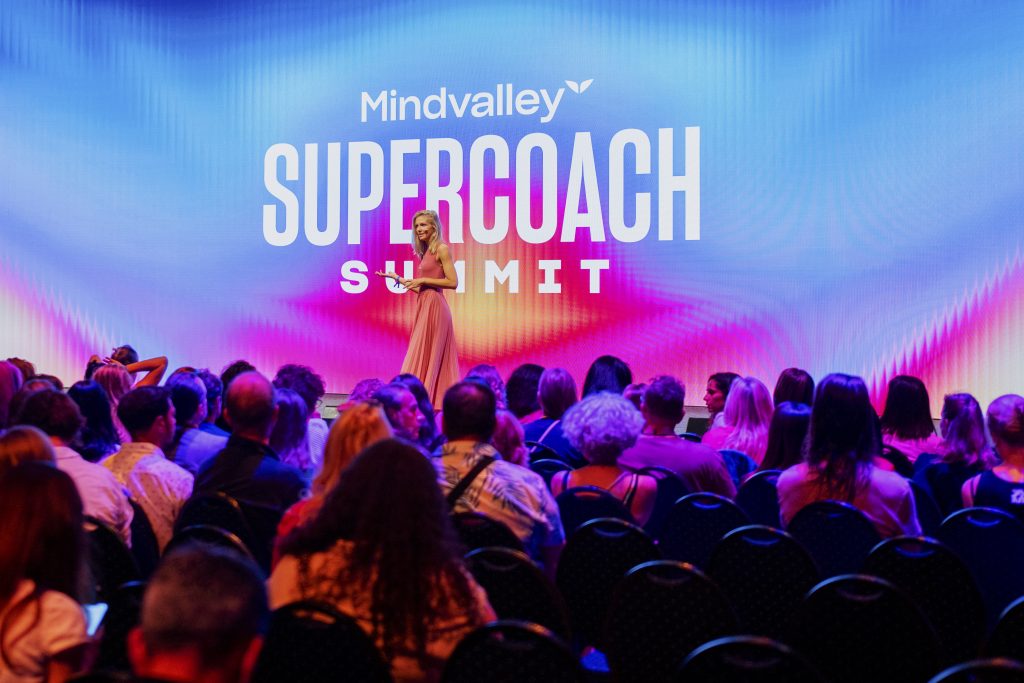
MVU Amsterdam 2025 DSC 4291 Photo By Karen Harms Scaled

HOW IDENTITY IS FORMED

Human behaviour isn’t driven by intention alone.

Human beings possess an essential nature, along with unique capacities and inherited traits.

Over time we acquire learned patterns — ways of perceiving, deciding and relating shaped by experience and adaptation.

These patterns stabilise into identity —
the way perception, authority and expression currently operate.

Identity then organises how our lives unfold,
sometimes expressing our deeper nature
and sometimes obscuring it.


Identity forms at the intersection of:
• nervous system conditioning
• relational experience
• cultural reinforcement
• cognitive interpretation
• success and failure patterns
• attachment dynamics
• language and belief systems

It is usually formed before it is examined.
Not inherently flawed.
But deeply organising.

Identity determines:
• what feels safe to decide
• how much authority you inhabit
• how you process complexity
• how you relate to visibility
• whether expansion stabilises — or contracts

Most people attempt to change behaviour.
Few examine the structure producing it.

The learned identity

The learned identity forms to preserve:

• safety
• belonging
• continuity
• predictability
• coherence of self-image

It is intelligent.
It is adaptive.
It is multi-determined.

And it operates largely outside conscious awareness.

Learned identity is present in:

• nervous system patterning
• neurological prediction loops
• physiological stress responses
• automatic thoughts
• ingrained habits
• relational reflexes
• implicit assumptions about what is safe or possible

How it narrows your range:

Learned identity once protected you.
It may have helped you succeed.

But when it remains unconscious, it is limiting.

You begin operating from conditioned reflex
rather than reflective choice.


Authority fluctuates.
Energy drains into internal negotiation.
Expression becomes compensatory rather than deliberate.


Not because you are incapable.
Because identity seeks continuity —
and continuity is stabilised below awareness.

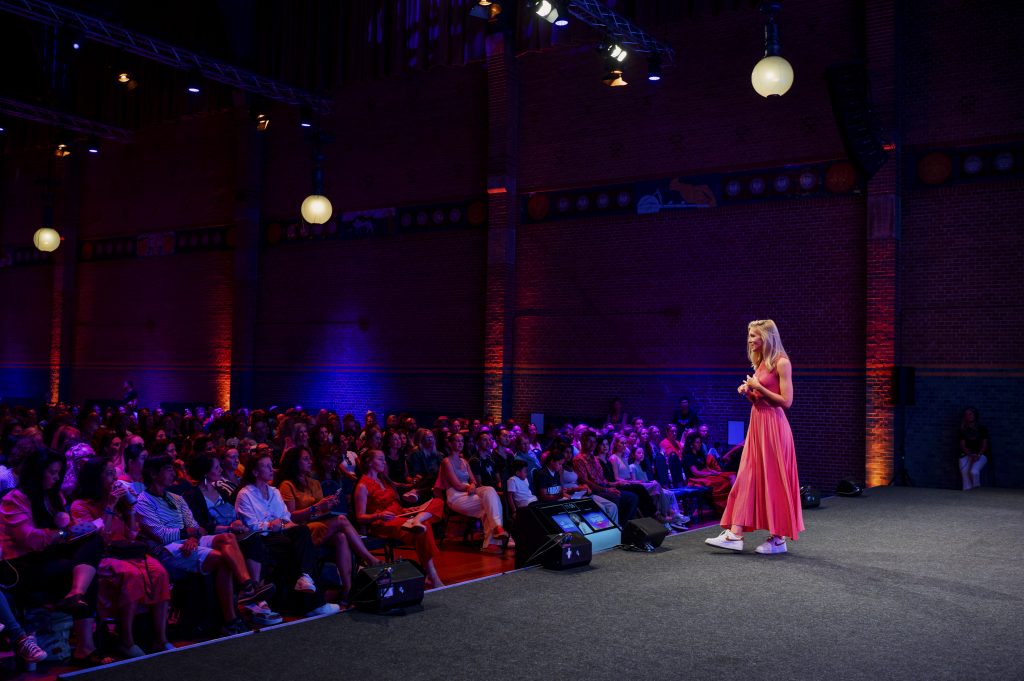
MVU Amsterdam 2025 DSC 4010 Photo By Karen Harms 1024x683

two organising modes

Human expression can organise from two primary modes

automatic ORGANISATION


Identity governed primarily by conditioning.

Characteristics:
• authority contracts under scrutiny
• perception narrows at expansion points
• achievement compensates for internal instability
• relational patterns repeat
• decisions over-process

This is not weakness.
It is unexamined organisation.

COHERENT ORGANISATION


Identity governed by reflective agency.

Coherence does not eliminate instinct.
It integrates it.

When coherence stabilises:
• perception expands beyond familiarity
• authority holds under pressure
• decisions become clean and timely
• energy steadies
• relationships are cultivated
• contribution becomes deliberate

Expression stabilises.
Power holds.

REORGANISATION, NOT OPTIMISATION

Most development work improves behaviour.
This framework reorganises identity.

It makes automatic structures visible.
It stabilises reflective governance.
It integrates nervous system, cognition and agency.

Development is not personality replacement.
It is increasing governance over how you participate in your own life.

As governance increases:

BUILT FOR COHERENCE

Coherent power

Human beings possess higher faculties:
reflection,
discernment,
imagination,
deliberate choice.


We are not designed to remain organised primarily by early conditioning.
We are built for refinement.

Coherence is not self-improvement.
It is alignment of identity with full intelligence.


This is where:
authority stabilises
capacity expresses
leadership strengthens
relationships deepen
contribution expands

MVU Amsterdam 2025 MMS76176 Photo By Mardo Mannimagi Scaled
mvu amsterdam 2025 dsd 5747 photo by karen harms

WHERE THIS WORK OPERATES

The Coherent Power framework operates at the level identity is formed

It integrates:

• nervous system regulation
• perceptual clarity
• cognitive refinement
• relational awareness
• deliberate agency

From this level, it applies across:

• Private advisory
• Executive and organisational leadership
• Workshops and keynotes

This is structural human development —
applied.

Scroll to Top